
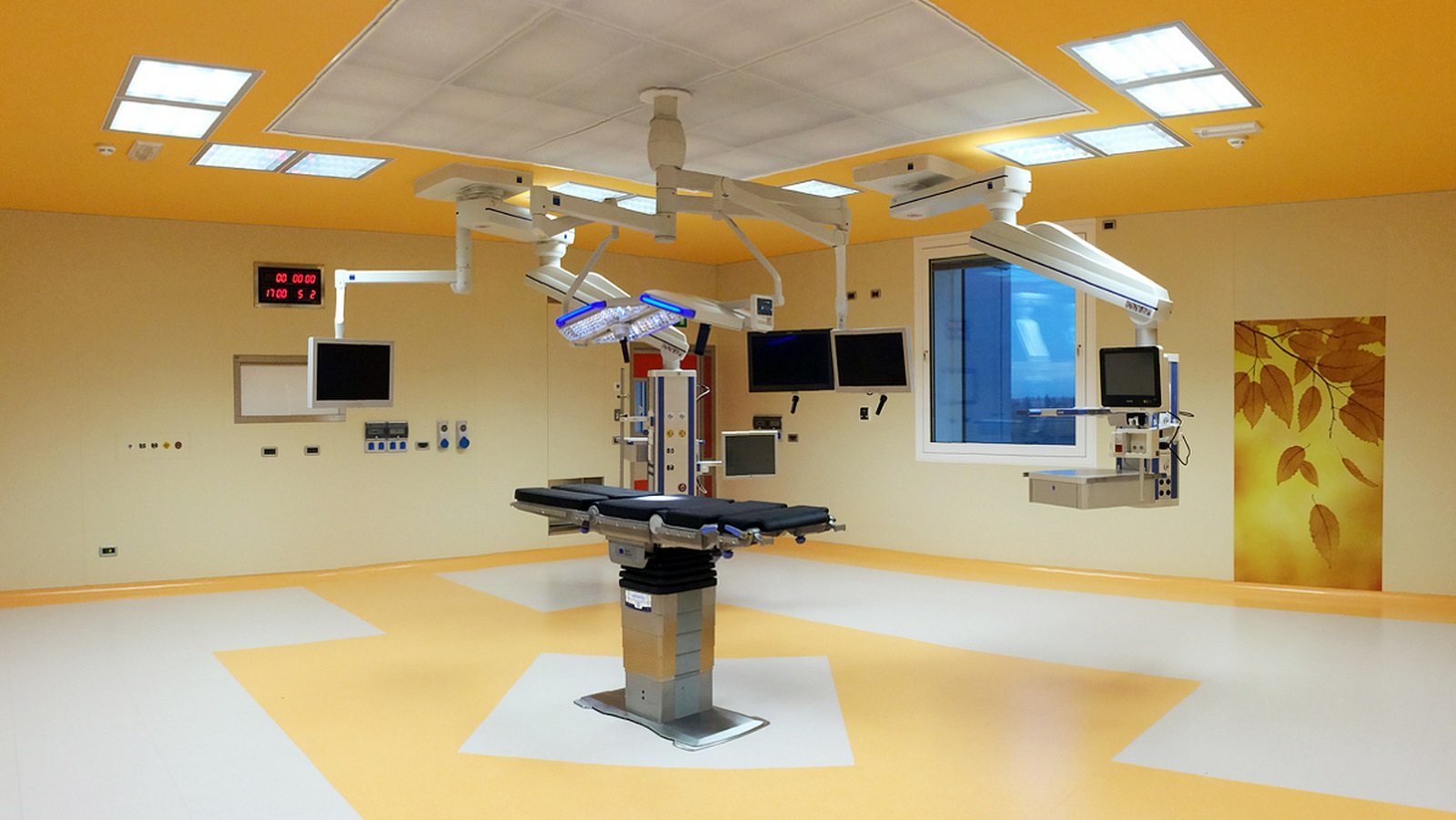
ICU Setup Equipment Checklist
Setting up an Intensive Care Unit (ICU) requires careful planning, reliable medical equipment and well-designed hospital infrastructure. Unlike a standard patient ward, an ICU must support continuous monitoring, respiratory care, emergency intervention and access to essential medical utilities.
From medical gas pipeline systems and ICU pendants to patient monitoring, electrical systems, HVAC and infection-control infrastructure, every component needs to work together as part of a coordinated critical-care environment.
For hospitals planning a new ICU, expanding an existing facility or upgrading an older critical-care unit, having a comprehensive ICU setup checklist can make the planning process more systematic.
Technomed provides hospital infrastructure and critical-care solutions including Modular ICU, Medical Gas Pipeline Systems, ICU Pendants, Bed Head Panels, HVAC, Clean Rooms and related hospital equipment.
What Is Required for a Modern ICU Setup?
A modern ICU is more than a collection of medical machines. It combines several systems designed to provide clinicians with reliable access to patient monitoring, medical gases, electrical power, equipment and emergency support.
A typical ICU planning checklist can include:
- ICU beds and patient-support systems
- Patient monitoring equipment
- Ventilators and respiratory support
- Infusion and syringe pumps
- Defibrillators
- Medical Gas Pipeline System (MGPS)
- Bed Head Panels
- ICU Pendants
- Suction systems
- Electrical and UPS systems
- Nurse call systems
- HVAC and air filtration
- Proper lighting
- Infection-control infrastructure
- Emergency equipment
- Equipment mounting and storage solutions
The exact requirements depend on the hospital’s specialty, bed capacity, clinical services and applicable regulations.
1. ICU Beds and Patient Support Systems
The ICU bed is the central point of the patient-care environment.
An appropriate ICU bed should support the clinical requirements of critically ill patients while allowing healthcare professionals convenient access for treatment and monitoring.
When planning ICU beds, hospitals should consider:
- Patient positioning requirements
- Adjustable sections
- Side-rail requirements
- Mattress compatibility
- Mobility and locking systems
- Equipment accessibility
- Space around each bed
The surrounding infrastructure should also provide sufficient room for staff movement and emergency procedures.
2. Patient Monitoring Equipment
Continuous patient monitoring is an essential part of intensive care.
Depending on the clinical requirements, ICU monitoring may include parameters such as:
- ECG
- SpO₂
- Blood pressure
- Respiratory rate
- Temperature
- Other patient-specific parameters
Central monitoring can also allow healthcare professionals to observe information from multiple patient monitors from a centralized location.
Technomed’s existing ICU equipment portfolio and infrastructure solutions are designed to support modern critical-care environments.
3. Mechanical Ventilators
Ventilators provide respiratory support to patients who cannot adequately breathe on their own.
When planning an ICU, hospitals should consider:
- Number of ventilators required
- Patient capacity
- Backup requirements
- Medical gas connectivity
- Electrical supply
- Equipment placement
- Maintenance and servicing
Ventilator placement should allow healthcare professionals to access both the patient and equipment without obstructing movement around the bed.
4. Infusion and Syringe Pumps
Infusion and syringe pumps are commonly used for controlled delivery of medications and fluids.
ICU planning should consider where these devices will be positioned and how they will receive electrical power.
Equipment mounting systems, rails and ICU pendants can help organize multiple devices around the patient.
5. Defibrillator and Emergency Equipment
Every ICU needs appropriate emergency equipment that can be accessed quickly.
Depending on the hospital’s clinical protocols, emergency equipment may include:
- Defibrillator
- Crash cart
- Emergency medications
- Manual resuscitation equipment
- Suction equipment
- Airway management equipment
Emergency equipment should have clearly designated locations and should be readily accessible to trained staff.
6. Medical Gas Pipeline System (MGPS)
The Medical Gas Pipeline System is one of the most important infrastructure components of a modern ICU.
Instead of depending entirely on individual cylinders at each patient bed, an MGPS distributes required medical gases from a centralized source to designated points within the hospital.
Depending on the facility, the system can support gases and services such as:
- Oxygen
- Medical air
- Vacuum
- Nitrous oxide
- Other required medical gases
A properly planned system should consider demand, pipeline routing, zoning, pressure requirements, alarm systems, isolation arrangements and future expansion.
Technomed provides Medical Gas Pipeline Systems as part of its hospital infrastructure solutions.
Why MGPS Planning Matters in an ICU
Medical gases are directly connected to critical-care equipment and patient treatment. Therefore, hospitals should not treat MGPS as a secondary infrastructure requirement.
Planning should cover:
- Gas source and supply capacity
- Pipeline distribution
- Bedside outlets
- Isolation valves
- Alarm systems
- Backup arrangements
- Testing and commissioning
- Maintenance access
Technomed’s existing guidance also highlights the importance of demand analysis, zoning, scalability and reliable gas supply when planning hospital MGPS.
7. Bed Head Panels
A Bed Head Panel brings several bedside utilities into an organized unit.
Depending on the configuration, it can incorporate:
- Medical gas outlets
- Electrical sockets
- Data connections
- Nurse call integration
- Lighting
- Equipment mounting provisions
This helps keep essential connections close to the patient while reducing scattered installations around the bed.
Technomed includes Bed Head Panels within its Modular ICU infrastructure solutions.
8. ICU Pendants
An ICU Pendant is a ceiling-mounted system designed to organize equipment, medical gas connections and electrical services around the patient.
It can support equipment such as:
- Patient monitors
- Ventilators
- Infusion pumps
- Medical gas connections
- Electrical devices
One of the key advantages is keeping equipment and cables organized while preserving floor space for doctors and nurses.
Technomed offers different ICU pendant configurations, including single-arm, double-arm and fixed systems, depending on project requirements.
9. Suction System
Suction is another important requirement in critical-care environments.
A centralized vacuum system can provide suction through the hospital’s medical gas infrastructure, while appropriate bedside connections allow compatible equipment to be connected where required.
The ICU design should consider:
- Vacuum outlets
- Suction units
- Collection systems
- Backup arrangements
- Maintenance access
The exact configuration should be determined according to the hospital’s clinical and engineering requirements.
10. Electrical Power and UPS
Modern ICUs depend heavily on electrically powered medical equipment.
A reliable electrical infrastructure should account for equipment such as:
- Patient monitors
- Ventilators
- Infusion pumps
- Bedside equipment
- Lighting
- Communication systems
Critical equipment may require UPS and backup power arrangements so that essential functions can continue during power interruptions.
Technomed’s Modular ICU solutions include electrical systems and UPS connectivity as part of the overall infrastructure approach.
11. Nurse Call and Communication Systems
Fast communication between patients and healthcare professionals is important in hospital environments.
Depending on the ICU design, communication infrastructure may include:
- Nurse call systems
- Bedside communication
- Data connectivity
- Central communication points
These systems should be positioned and integrated into the ICU layout rather than added as an afterthought.
12. HVAC and Air Filtration
Air quality and environmental control are important considerations in critical-care areas.
An ICU HVAC system may need to address:
- Temperature
- Humidity
- Ventilation
- Air filtration
- Air movement
- Infection-control requirements
The HVAC design should be coordinated with the overall ICU layout and applicable healthcare requirements.
Technomed includes HVAC and air-filtration systems within its Modular ICU infrastructure solutions.
13. Infection-Control Infrastructure
ICU environments require careful attention to hygiene and infection control.
Infrastructure planning can include:
- Easy-to-clean surfaces
- Appropriate wall and ceiling finishes
- Hygienic flooring
- Hand hygiene facilities
- Proper ventilation
- Organized equipment placement
- Suitable waste-management arrangements
Technomed’s Modular ICU systems incorporate hygienic, easy-to-clean surfaces as part of the overall design approach.
14. ICU Lighting
Lighting should support both patient care and healthcare staff.
An ICU may require different lighting arrangements for:
- General illumination
- Examination
- Patient observation
- Staff work areas
- Emergency situations
Lighting design should be coordinated with the ceiling, bed head panel and equipment layout.
15. Equipment Mounting and Storage
An ICU can quickly become crowded when equipment is not properly organized.
Equipment mounting solutions can help accommodate:
- Patient monitors
- Infusion pumps
- Ventilators
- Accessories
- Medical devices
ICU pendants and equipment rails can provide structured mounting options while helping preserve usable floor space.
Storage should also be planned for emergency supplies, consumables and frequently used equipment.
16. Modular ICU Infrastructure
For hospitals developing a new critical-care unit, a modular ICU approach can integrate several infrastructure elements into one coordinated design.
A modular ICU can include:
- Modular wall panels
- False ceiling
- ICU-grade flooring
- Medical Gas Pipeline System
- Bed Head Panels
- ICU Pendants
- Electrical systems
- Nurse call systems
- HVAC and air filtration
- Equipment mounting systems
Technomed’s Modular ICU solution is designed around integrated infrastructure, flexible layouts, equipment organization and future expansion.
ICU Setup Checklist for Hospital Planning
Before starting an ICU project, hospital administrators and project teams can review the following checklist:
Patient Care
- ICU beds
- Patient monitoring
- Ventilators
- Infusion pumps
- Syringe pumps
- Emergency equipment
Medical Infrastructure
- Medical Gas Pipeline System
- Oxygen outlets
- Vacuum outlets
- Medical air outlets
- Bed Head Panels
- ICU Pendants
- Suction system
Electrical & Communication
- Power sockets
- UPS
- Emergency power
- Lighting
- Data connectivity
- Nurse call system
Environmental Infrastructure
- HVAC
- Air filtration
- Temperature control
- Humidity control
- Hygienic surfaces
Safety & Operations
- Emergency access
- Equipment positioning
- Fire safety
- Infection-control planning
- Maintenance access
- Staff workflow
Future Planning
- Additional bed capacity
- Equipment upgrades
- Infrastructure expansion
- Maintenance requirements
Common Mistakes to Avoid When Setting Up an ICU
1. Planning Equipment Without Planning Infrastructure
Medical equipment and infrastructure need to be considered together. A ventilator, for example, requires appropriate electrical power and medical gas connectivity.
2. Ignoring Future Expansion
An ICU may require additional beds or equipment in the future. Infrastructure should therefore be planned with reasonable scalability where feasible.
3. Poor Equipment Placement
Too much equipment around the patient bed can restrict staff movement. Equipment mounting systems and proper layout planning can help improve organization.
4. Underestimating Medical Gas Requirements
Medical gas demand should be assessed during the planning stage rather than after installation.
5. Treating HVAC as an Optional Feature
Environmental control is an integral part of a well-planned critical-care environment and should be coordinated from the beginning.
6. Forgetting Maintenance Access
Infrastructure should be designed so that technical teams can inspect, maintain and service critical systems without unnecessary disruption.
Why Integrated ICU Planning Matters
An ICU works as a connected environment. Patient monitors, ventilators, infusion pumps and other equipment depend on reliable electricity, medical gases, communication systems and appropriate environmental conditions.
This is why hospitals should consider the ICU as an integrated infrastructure project rather than simply purchasing individual pieces of equipment.
Technomed provides solutions covering Modular ICU, MGPS, Bed Head Panels, ICU Pendants, HVAC, Clean Rooms and other hospital infrastructure requirements, allowing different components to be considered within an overall project.
Why Choose Technomed for ICU Infrastructure?
Technomed Instruments and Equipments Sales Pvt. Ltd. was established in 2008 and provides hospital infrastructure and critical-care solutions across India. Its portfolio includes Modular ICU, Modular OT, Medical Gas Pipeline Systems, ICU Pendants, Bed Head Panels, HVAC, Clean Rooms and several critical-care and OT equipment categories.
The company’s approach covers design, supply, installation and technical support, making it suitable for hospitals planning new infrastructure projects or upgrades.
Final Thoughts
Setting up an ICU requires careful coordination between medical equipment, medical gases, electrical systems, environmental controls and hospital infrastructure.
A comprehensive ICU setup checklist helps hospital administrators, architects, engineers and procurement teams identify important requirements before installation begins.
From MGPS and Bed Head Panels to ICU Pendants, HVAC, electrical systems and patient-support equipment, every component has a role in creating an organized critical-care environment.
If you are planning a new ICU, expanding an existing unit or upgrading hospital infrastructure, professional planning can help ensure that equipment and infrastructure work together efficiently.
Planning a new ICU or upgrading your existing critical-care facility? Contact Technomed for customized ICU infrastructure, medical gas and critical-care solutions tailored to your hospital’s requirements.
Frequently Asked Questions
What equipment is needed to set up an ICU?
An ICU may require patient monitors, ventilators, infusion and syringe pumps, defibrillators, suction systems and other critical-care equipment, along with supporting infrastructure such as MGPS, electrical systems, Bed Head Panels, ICU Pendants and HVAC.
What infrastructure is required for an ICU?
Important infrastructure can include Medical Gas Pipeline Systems, electrical and backup power systems, HVAC and air filtration, lighting, communication systems, Bed Head Panels, ICU Pendants, suitable flooring and hygienic wall and ceiling systems.
Why is MGPS important in an ICU?
MGPS provides centralized distribution of essential medical gases to designated points throughout a healthcare facility. In an ICU, reliable access to oxygen, vacuum and other required gases is important for supporting critical-care equipment and procedures.
What is the role of an ICU Pendant?
An ICU Pendant helps organize medical equipment, electrical connections and medical gas outlets around the patient while keeping the floor area more accessible for healthcare staff.
What is a Bed Head Panel used for?
A Bed Head Panel can integrate medical gas outlets, electrical sockets, data connections, nurse call provisions and other bedside services into an organized unit.
Can an ICU be customized according to hospital requirements?
Yes. ICU infrastructure can be planned according to factors such as bed capacity, hospital specialty, available space, equipment requirements and future expansion plans. Technomed states that its Modular ICU solutions can be customized according to hospital requirements.
Does Technomed provide complete ICU infrastructure solutions?
Technomed provides Modular ICU, MGPS, Bed Head Panels, ICU Pendants, HVAC and other hospital infrastructure and critical-care solutions, along with design, supply, installation and technical support.