
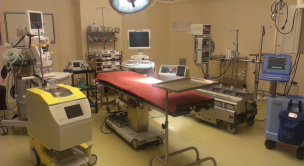
Essential ICU Equipment
An Intensive Care Unit (ICU) is one of the most critical departments in a hospital, providing specialised care to patients with life-threatening illnesses, severe injuries and complex medical conditions. Setting up a modern ICU requires more than just patient beds and monitoring devices. It involves carefully selecting advanced medical equipment, establishing reliable medical gas systems and creating an environment that supports continuous patient monitoring and emergency intervention.
Whether you are planning a new hospital or upgrading an existing critical care facility, understanding the essential ICU equipment is important for ensuring patient safety, treatment efficiency and smooth hospital operations.
In this guide, we will explore the essential equipment required for setting up a modern ICU, along with the importance of proper hospital infrastructure and medical gas pipeline systems.
1. ICU Patient Beds
ICU beds are specially designed to support critically ill patients who require continuous monitoring and medical assistance. Unlike regular hospital beds, modern ICU beds offer advanced positioning features and improved accessibility for healthcare professionals.
Important Features:
- Electrically adjustable height and positioning.
- Adjustable head and foot sections.
- Side safety rails to prevent accidental falls.
- Easy-to-operate controls.
- Compatibility with medical accessories and monitoring equipment.
- Easy-to-clean surfaces for infection control.
Selecting suitable ICU beds helps improve patient comfort and allows medical staff to perform procedures more efficiently.
2. Multiparameter Patient Monitors
Patient monitoring systems are essential in every modern ICU. These devices continuously track important physiological parameters and help healthcare professionals identify changes in a patient’s condition.
Common Parameters Monitored:
- ECG and heart rate.
- Blood pressure.
- Oxygen saturation (SpO2).
- Respiratory rate.
- Body temperature.
- Invasive blood pressure, where required.
Multiparameter monitors provide real-time information, allowing medical teams to make timely clinical decisions.
3. Mechanical Ventilators
Mechanical ventilators are critical medical devices used to support or control breathing in patients who cannot maintain adequate ventilation independently.
They are commonly required for patients experiencing severe respiratory failure, serious infections, major trauma or complications following surgery.
Important Ventilator Features:
- Multiple ventilation modes.
- Adjustable oxygen concentration.
- Pressure and volume monitoring.
- Alarm systems for abnormal conditions.
- Patient-specific ventilation settings.
A modern ICU should have appropriately selected ventilators based on its patient capacity, clinical requirements and the types of critical care services provided.
4. Medical Gas Pipeline System (MGPS)
A reliable Medical Gas Pipeline System is an essential part of modern ICU infrastructure. It supplies medical gases directly to patient care areas through a centralised distribution network.
Common Medical Gases Used in ICUs:
- Medical oxygen for respiratory support.
- Medical air for ventilator and other medical applications.
- Medical vacuum for suction procedures.
Essential MGPS Components:
- Medical gas pipelines.
- Gas outlet points.
- Zone valve boxes.
- Area alarm systems.
- Manifold systems and central gas supply arrangements.
- Pressure regulators and monitoring equipment.
A properly designed MGPS helps ensure a continuous and controlled supply of medical gases to critical care beds. Installation, testing and commissioning should follow applicable healthcare engineering standards and regulations.
5. Infusion Pumps and Syringe Pumps
Infusion pumps and syringe pumps are used to administer fluids, medications and other prescribed substances at controlled rates.
These devices are particularly important in ICUs, where patients may require precise medication delivery and continuous intravenous therapy.
Key Features:
- Accurate flow-rate control.
- Adjustable infusion settings.
- Occlusion and air-in-line alarms, as applicable.
- Battery backup.
- Easy-to-read displays.
- Safety features to reduce medication administration errors.
Hospitals should select infusion equipment based on clinical requirements and ensure that staff receive proper training.
6. Defibrillators
Defibrillators are essential emergency devices used during certain life-threatening cardiac arrhythmias. They deliver controlled electrical energy to help restore an effective heart rhythm when clinically indicated.
Important Features:
- Manual or automated defibrillation modes, depending on the device.
- ECG monitoring.
- Energy selection controls.
- Audible and visual alerts.
- Battery backup.
- Pacing functionality in compatible models.
Defibrillators should be readily accessible, regularly inspected and maintained according to manufacturer recommendations.
7. ICU Suction Units
Medical suction systems help remove secretions, blood and other fluids from a patient’s airway or surgical area when required.
ICUs commonly use central medical vacuum systems connected to suction outlets, along with portable suction machines for situations requiring mobility.
Important Components:
- Vacuum outlets.
- Suction regulators.
- Collection jars.
- Bacterial filters.
- Connecting tubes.
- Portable suction units, where required.
Reliable suction facilities support airway management and various bedside medical procedures.
8. Oxygen Flow Meters and Humidifiers
Oxygen flow meters help regulate the flow of medical oxygen delivered to patients through suitable oxygen delivery devices.
Humidifiers may be used in specific oxygen therapy applications to add moisture to the supplied gas, depending on the clinical setup and prescribed therapy.
Important Features:
- Clear flow-rate indicators.
- Accurate flow adjustment.
- Compatibility with the designated oxygen outlets.
- Appropriate connections and safety features.
- Easy maintenance and cleaning.
Selecting compatible oxygen delivery accessories is important for safe and effective respiratory support.
9. ICU Lighting Systems
Proper lighting is important for patient observation, bedside procedures and emergency interventions. An ICU should have suitable general illumination as well as dedicated examination lighting.
Recommended Lighting Considerations:
- Adequate general lighting.
- Adjustable examination lights.
- Emergency lighting arrangements.
- Glare reduction.
- Easy-to-clean fixtures.
- Appropriate illumination for monitoring and clinical procedures.
A well-planned lighting system supports healthcare professionals while maintaining a comfortable patient environment.
10. Nurse Call and Communication Systems
Communication systems help ICU patients request assistance and enable healthcare staff to respond efficiently.
A modern ICU should have a suitable nurse call arrangement that allows patients to communicate with nursing personnel when necessary.
Important Features:
- Bedside call buttons.
- Nurse station indicators.
- Audible and visual alerts.
- Emergency call facilities.
- Integration with hospital communication systems, where supported.
Effective communication can improve response coordination and overall patient care.
11. Medical Gas Alarm and Monitoring Systems
Medical gas alarm systems help healthcare personnel monitor the status of critical medical gas supplies and identify abnormal pressure conditions.
These systems are important for maintaining the reliability of medical gas infrastructure.
Common Monitoring Features:
- High and low pressure alarms.
- Central supply monitoring.
- Area alarm panels.
- Visual and audible alerts.
- Monitoring of designated medical gas lines.
Regular inspection and maintenance help ensure that medical gas monitoring systems remain functional.
12. ICU Furniture and Bedside Equipment
Apart from major medical devices, an ICU also requires specialised furniture and supporting equipment to facilitate everyday patient care.
Essential Supporting Equipment:
- Bedside lockers.
- Overbed tables.
- Instrument trolleys.
- Medical equipment stands.
- IV stands.
- Waste disposal units.
- Storage cabinets.
- Privacy curtains or suitable partitions.
Furniture should be durable, easy to clean and suitable for the clinical environment.
Important Factors to Consider Before Setting Up a Modern ICU
Selecting the right equipment is only one part of ICU planning. Hospitals must also consider the infrastructure, clinical workflow and long-term operational requirements.
1. ICU Bed Capacity and Space Planning
Determine the required number of ICU beds based on hospital size, patient demand and available resources. Ensure adequate space around each bed for medical equipment, emergency access and healthcare staff movement.
2. Reliable Medical Gas Infrastructure
Plan the medical gas pipeline network according to the number of beds, expected gas demand and applicable standards. Proper outlet placement, pressure monitoring and emergency isolation arrangements are essential.
3. Electrical Supply and Backup Systems
ICU equipment depends on a reliable electrical supply. Hospitals should plan suitable emergency power backup, appropriate electrical distribution and designated essential power outlets.
4. Infection Prevention and Ventilation
An ICU requires appropriate ventilation, air quality management, cleaning protocols and infection prevention measures. HVAC planning should consider the clinical requirements of the specific ICU area.
5. Equipment Maintenance and Staff Training
Medical devices should undergo regular inspection, preventive maintenance and performance checks. Healthcare professionals must receive adequate training to operate equipment safely and respond to alarms.
6. Future Expansion and Technology Integration
Consider future ICU expansion, equipment upgrades and compatibility with hospital information systems. Proper planning can help reduce unnecessary infrastructure changes later.
Common Mistakes to Avoid When Setting Up an ICU
Hospitals should avoid several common planning mistakes that can affect ICU efficiency and patient safety.
- Selecting equipment without assessing actual clinical requirements.
- Ignoring the importance of medical gas pipeline planning.
- Providing insufficient electrical backup.
- Overlooking ventilation and infection control requirements.
- Choosing incompatible medical gas accessories.
- Failing to plan adequate equipment storage.
- Neglecting preventive maintenance.
- Not providing sufficient staff training.
A systematic approach to ICU planning helps hospitals create a safer, more efficient and dependable critical care environment.
Conclusion: Build a Well-Equipped ICU with the Right Infrastructure
Setting up a modern ICU requires careful coordination between medical equipment, hospital infrastructure, medical gas distribution, electrical systems and patient monitoring facilities. Every component plays an important role in supporting critical care operations.
From ICU beds and ventilators to medical gas pipeline systems, suction facilities and monitoring devices, selecting appropriate equipment according to clinical requirements is essential for establishing a functional critical care department.
Technomed supports healthcare infrastructure requirements with medical gas pipeline solutions and related hospital equipment. If you are planning a new ICU or upgrading an existing hospital facility, choosing the right infrastructure partner can help you plan a reliable and efficient critical care environment.
Planning a modern ICU for your hospital? Contact Technomed to explore suitable medical gas pipeline and hospital infrastructure solutions.