


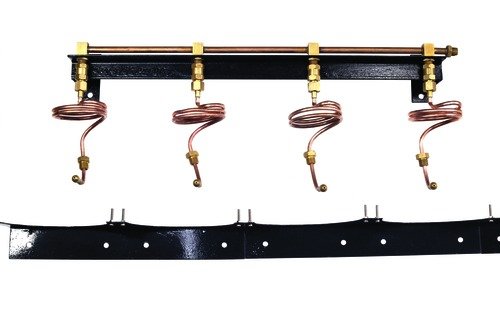
Maintenance Checklist for Hospital Gas Manifold Systems: Avoiding Downtime & Leak Risks
Hospital Gas Manifold Maintenance
A hospital’s medical gas manifold system is one of the most critical components of its infrastructure. These systems deliver life-supporting gases such as oxygen, nitrous oxide, medical air, and vacuum — ensuring continuous patient care in ICUs, OTs, emergency units, and general wards.
Any malfunction, leak, or downtime can lead to serious safety risks, treatment delays, and even life-threatening situations.
That’s why regular and systematic maintenance is essential.
This blog provides a complete maintenance checklist to help hospitals prevent leaks, improve efficiency, and ensure 24×7 uninterrupted gas supply.
Why Maintenance Matters in Medical Gas Manifold Systems
✔ Prevents leakage of life-support gases
✔ Ensures consistent pressure and supply to all departments
✔ Reduces risk of fire hazards and oxygen-rich atmosphere
✔ Extends equipment lifespan
✔ Helps in NABH & other compliance audits
✔ Minimizes costly emergency repairs
✔ Guarantees patient safety
A well-maintained manifold system means zero downtime and maximum reliability.
Maintenance Checklist for Medical Gas Manifolds
1. Inspect the Cylinder Bank & Manifold Connections
- Check for loose fittings and ensure all connectors are tightened properly.
- Inspect cylinder valves, flexible hoses, and yoke connectors for wear and tear.
- Ensure cylinder alignment and secure positioning to prevent tipping.
- Verify the condition of non-return valves and pressure relief devices.
Frequency: Daily visual inspection + monthly detailed check.
2. Check for Gas Leaks
- Apply leak-detection solution around joints, clamps, diaphragm valves, and pressure regulators.
- Listen for hissing noises indicating small leaks.
- Inspect the copper pipeline and flexible hoses for cracks or corrosion.
Never use open flames for leak testing.
Frequency: Weekly + urgently after cylinder replacement.
3. Monitor Pressure Regulators & Gauges
- Ensure the primary and secondary pressure regulators maintain correct output pressure.
- Check for fluctuations in supply pressure.
- Calibrate gauges periodically to maintain accuracy.
- Replace damaged or fogged gauge displays.
Frequency: Monthly calibration check.
4. Inspect the Automatic Changeover System
The changeover system switches gas supply from empty cylinders to full ones automatically.
Checklist:
- Verify smooth functioning without manual intervention.
- Test both sides (left & right banks) to ensure balanced operation.
- Clean sensors and test solenoid valves.
- Check alarm panel integration for low/high pressure alerts.
Frequency: Monthly.
5. Ensure Proper Alarm System Functioning
Alarm panels warn staff about supply issues before they turn into emergencies.
Check for:
- High/low-pressure alarms
- Empty cylinder bank signal
- Power failure alarm
- Fault indicators
Make sure all alarms are audible and visible.
Test alarm communication with the central monitoring system.
Frequency: Monthly + after maintenance work.
6. Monitor Oxygen & Other Gas Purity
Gas purity can affect patient health and medical equipment efficiency.
Maintenance actions:
- Test purity using approved analyzers.
- Check for contamination, odor, or discoloration of gas outlet points.
Frequency: Quarterly or as per hospital protocols.
7. Clean Filters & Replace When Needed
Dust or debris in the system can affect pressure regulation and flow.
Checklist:
- Clean inlet filters
- Inspect particulate filters
- Replace activated carbon filters if present
Frequency: Every 3–6 months.
8. Inspect Copper Pipeline & Valves
- Look for corrosion, bends, or improper support clamps.
- Check isolation valves for smooth rotation.
- Lubricate where required (only with approved medical-grade substances).
Frequency: 6-monthly.
9. Verify Electrical Components & Backup Power
Many manifold systems operate with electronic sensors and alarm panels.
Checklist:
- Check wiring integrity
- Test backup batteries
- Inspect control panel for moisture or dust
- Ensure grounding is intact
Frequency: Quarterly.
10. Maintain a Logbook & Service Record
Every inspection should be documented:
✔ Date of inspection
✔ Observations
✔ Issues found
✔ Parts replaced
✔ Technician’s name
A logbook helps with audit compliance, troubleshooting, and performance tracking.
Best Practices to Avoid Downtime & Leak Risks
- Always use certified technicians for installation and service.
- Replace flexible hoses every 3–5 years.
- Use only BIS/ISO-approved cylinders and connectors.
- Train staff on safe cylinder handling.
- Conduct annual preventive maintenance with a qualified service provider.
- Keep spare parts (regulators, gauges, hoses) in stock for emergencies.
Conclusion
Medical gas manifold systems are the backbone of any hospital’s life support infrastructure.
With proper maintenance, hospitals can ensure:
✨ Zero leakage
✨ Zero downtime
✨ Maximum safety
✨ Extended system life
✨ Reliable oxygen and gas supply
A consistent and well-documented maintenance routine is essential for safe and uninterrupted patient care.